Trauma & Low-Self Esteem
“We are shaped by our experiences, but we are not defined by them. Therapy helps us understand the stories we carry, revise those that no longer serve us, and strengthen the person we are becoming.”
— Daniel Mirea
NeuroAffective-CBT® is an evidence-informed and integrative model of Cognitive Behavioural Therapy that combines contemporary CBT, neuroscience, emotional processing, and resilience research. It was developed in response to the recognition that many people struggle with emotional difficulties that do not fit neatly into a single diagnosis, yet continue to experience anxiety, shame, low self-esteem, trauma-related distress, and relationship difficulties.
Rather than focusing solely on symptom reduction, NeuroAffective-CBT® seeks to understand how past experiences shape present emotional responses, coping strategies, and our sense of self. Through a structured and collaborative approach, individuals learn to strengthen emotional resilience, improve self-regulation, and develop practical skills for navigating life’s challenges.
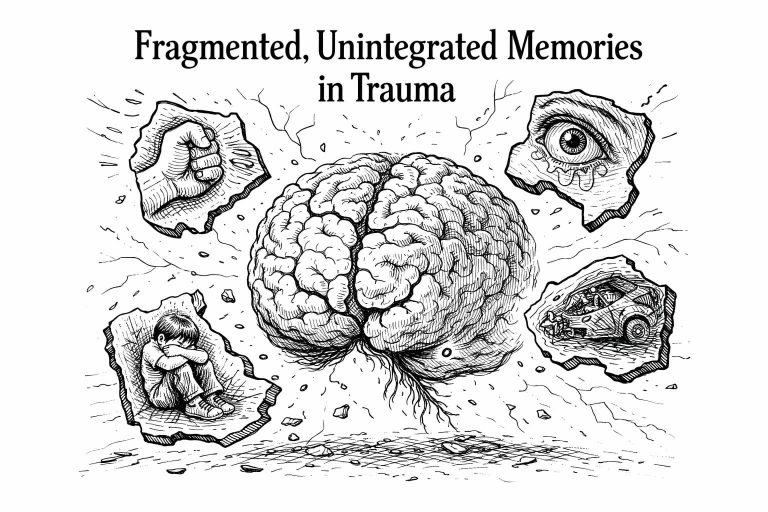
A key principle of NeuroAffective-CBT® is that memories are not static recordings of the past. Emerging research suggests that when important emotional memories are safely revisited, understood, and integrated within the context of new experiences, they can lose some of their distressing impact and become part of a more coherent life narrative. NeuroAffective Narrative Reconsolidation (NNR) builds upon this understanding by helping individuals process unresolved experiences, reconnect with personal strengths, and cultivate an Integrated Self that is no longer organised around fear, shame, or self-criticism.
The ultimate aim of NeuroAffective-CBT® is not simply to help people feel better, but to help them become stronger, more compassionate towards themselves, and better equipped to flourish beyond adversity.
Key takeaway: “Memories are not static recordings of the past.”