Assessment & Diagnosis
“A diagnosis may guide treatment, but understanding and truly feeling the client’s pain guides recovery.”
— Daniel Mirea
There are many different models of psychotherapy, including psychodynamic therapy, psychoanalysis, person-centred counselling, Gestalt therapy, integrative approaches, and humanistic therapies, each with its own understanding of emotional distress and psychological wellbeing.
Cognitive Behavioural Therapy (CBT) is an umbrella term encompassing a number of related therapeutic approaches. What distinguishes CBT from many other models is its commitment to evidence-based practice. CBT interventions are grounded in scientific research and operate within the medical model, meaning that assessment, formulation, diagnosis, treatment planning, and outcome evaluation are informed by established clinical evidence. CBT aims to address both specific psychological disorders, such as OCD, panic disorder, health anxiety, and phobias, as well as more complex emotional difficulties including depression, low self-esteem, shame, trauma-related problems, and relationship difficulties.
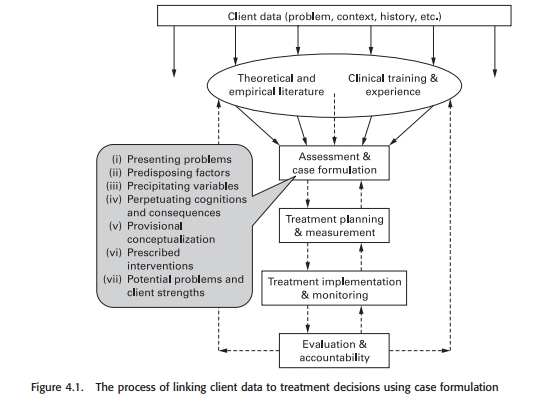
Treatment typically involves a collaborative process of identifying and addressing the factors that predispose, precipitate, and perpetuate psychological distress. Many emotional difficulties develop as adaptive responses to earlier life experiences and continue to maintain an enduring sense of vulnerability through complex cognitive, emotional, behavioural, and physiological processes.
As such, the first appointment is usually a comprehensive psychological assessment, which may last up to two hours. The purpose of this assessment is to gain a detailed understanding of the difficulties, establish a diagnosis where appropriate, develop an individualised formulation, and agree a treatment plan. Depending on the nature and complexity of the presenting problem, therapy may range from a small number of focused sessions to longer-term work extending over several months or, in some cases, more than a year.
NeuroAffective-CBT® builds upon the foundations of traditional CBT by integrating contemporary neuroscience, emotional processing, attachment theory, resilience-focused interventions, and post-traumatic growth principles. Rather than focusing solely on symptom reduction, NeuroAffective-CBT® aims to strengthen emotional resilience, promote psychological flexibility, and facilitate deeper and more enduring psychological change.
Central to NeuroAffective-CBT® is the understanding that many psychological symptoms represent attempts by the mind and body to adapt to adversity. Therapy therefore seeks not only to reduce distress but also to identify and strengthen existing resources, develop emotional regulation, process unresolved experiences where appropriate, and cultivate a more integrated, compassionate, and resilient sense of self. The ultimate goal is not simply recovery from psychological difficulties, but the development of lasting wellbeing and post-traumatic growth.